
Carbon Credits in 2026: The Shift to Quality and the Coming Supply Squeeze
As we move deeper into 2026, the voluntary carbon market (VCM) is undergoing a profound transformation. Gone are the days of abundant, low-quality credits — buyers are now prioritizing high-integrity, verified, and durable carbon removals. This "flight to quality" is reshaping pricing, project development, and corporate strategies worldwide.
Buyers Are Rapidly Favoring Higher-Quality Credits
Recent analysis shows a clear structural shift in the market. Retirements of top-rated credits (A to AAA) have more than doubled since 2022, while lower-rated credits (C or D) have declined sharply. Businesses are moving away from questionable offsets toward projects with robust verification, additionality, and permanence.

Trends in high-integrity credit retirements (2022–2025)

Shift toward premium-rated carbon credits
High-Integrity Credits Face a Growing Supply Squeeze
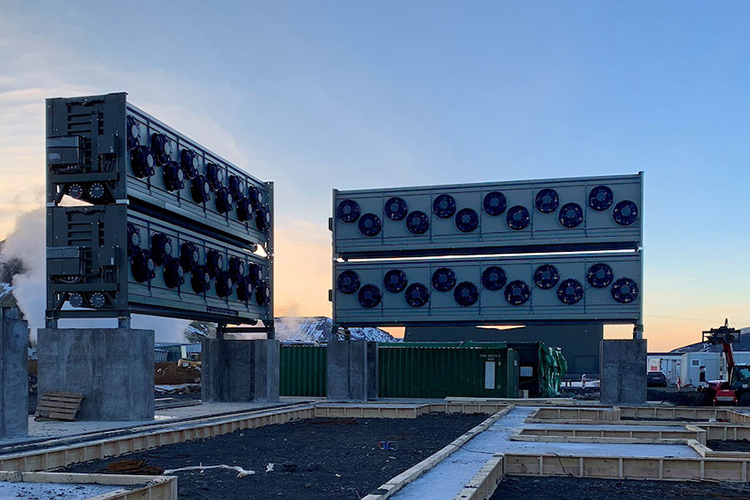
While overall credit issuance has dropped significantly from peak levels, retirements of high-quality credits (A+ or BBB+) have outpaced new supply since 2022. This scarcity is expected to drive prices upward — especially for durable removal projects like direct air capture (DAC), biochar, and well-verified nature-based solutions.

Projected growth of the voluntary carbon market to 2030
Nature-Based and Tech Removals Leading the Way
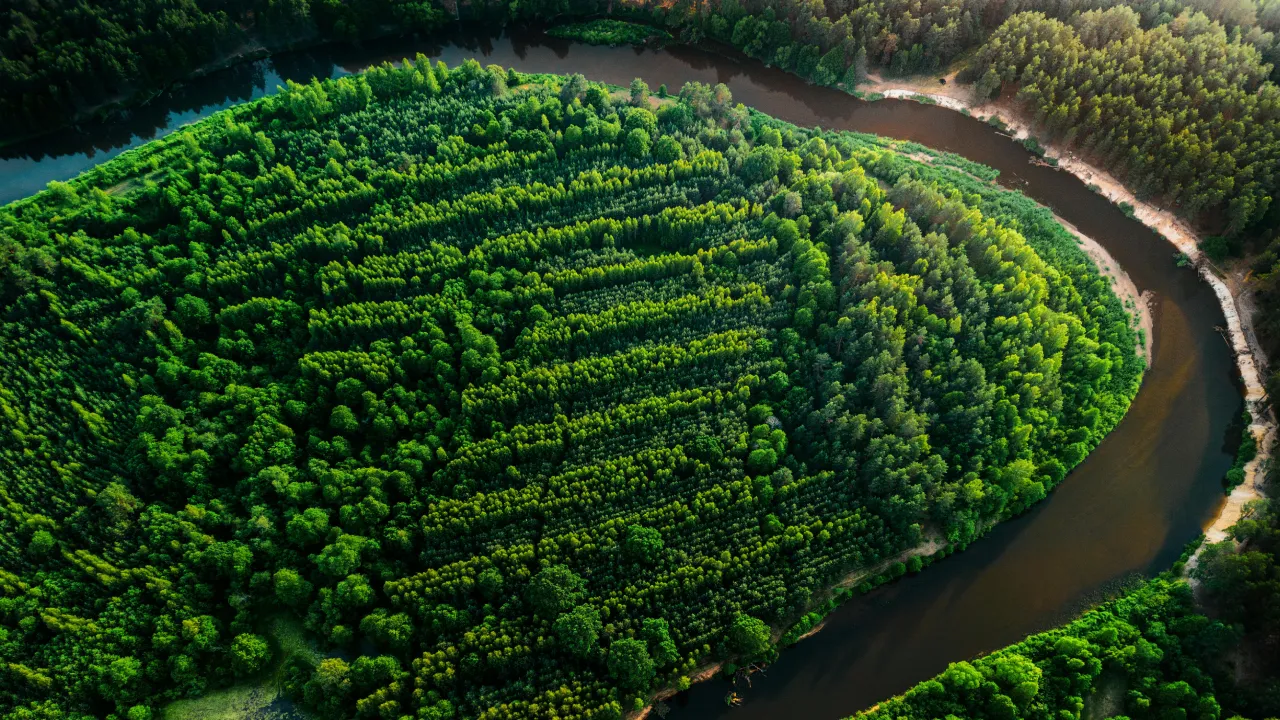
High-demand projects include reforestation, afforestation, and advanced technologies like direct air capture. These deliver measurable, long-term impact — and buyers are willing to pay a premium.
Market Momentum: Partnerships, Funding, and Explosive Growth Ahead
New partnerships (like Patch and Cloverly in early 2026) are making it easier for companies to access and evaluate quality credits. With CORSIA aviation requirements ramping up and Article 6 rules progressing, demand is set to accelerate. Forecasts point to a market potentially reaching $120+ billion by 2030 — and up to $270 billion by 2050.

Strong growth trajectory in key markets
Why This Matters — and What to Do Next
The era of cheap, questionable credits is ending. In 2026 and beyond, integrity wins. Over 90% of current buyers plan to maintain or increase their volumes — signaling renewed confidence in the market.
For businesses, investors, and project developers: prioritize high-rated, durable projects, secure offtake agreements early, and watch emerging supply hubs in Asia (India, Indonesia) become major players.
The carbon credit market is maturing fast — and quality is the new currency. 🌱📈